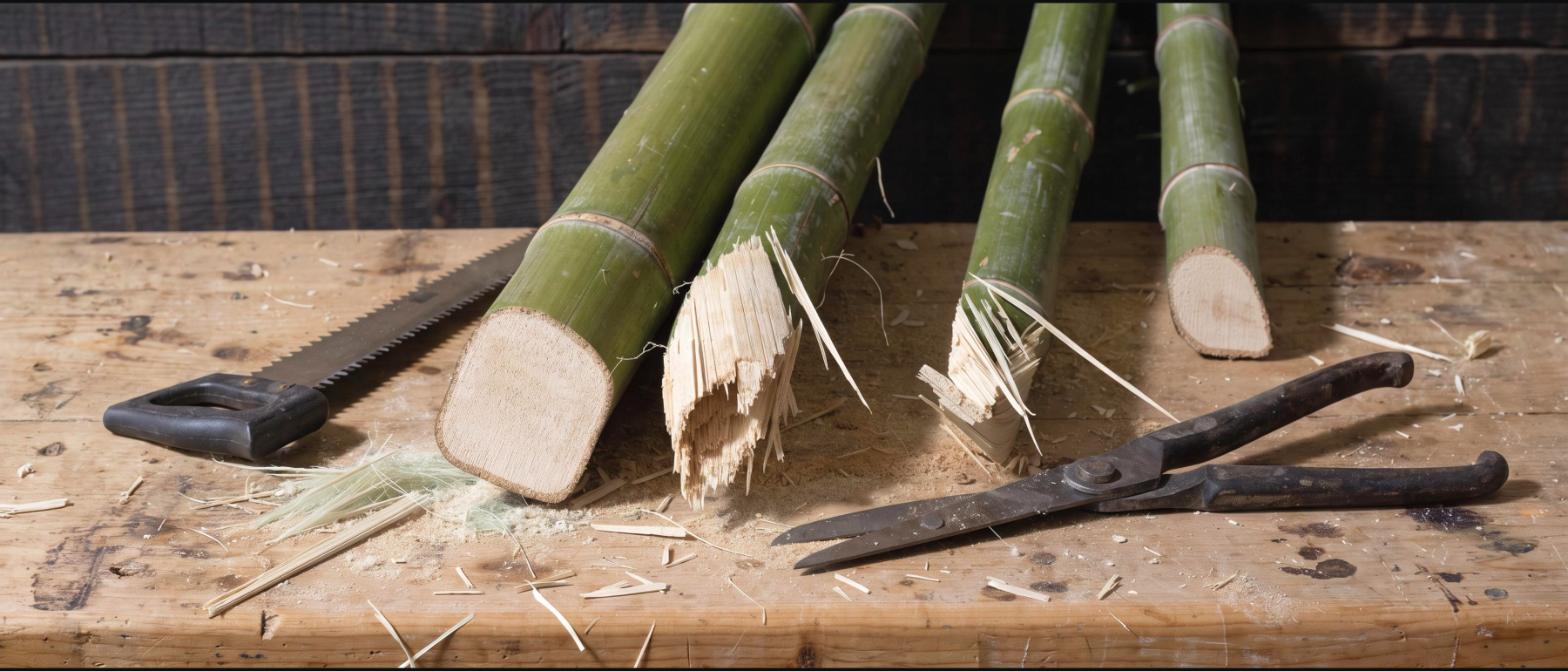
Most people approach bamboo the way they approach a shrub: grab whatever is in the shed, apply force, get frustrated. Then the loppers crush the stem into a shredded mess, the wood saw binds halfway through, and an hour later the blade is noticeably duller than it was at breakfast.
None of that is a technique failure. Bamboo is a different material from wood, and the tools that work on it work for reasons worth understanding.
Why Your Blade Dies
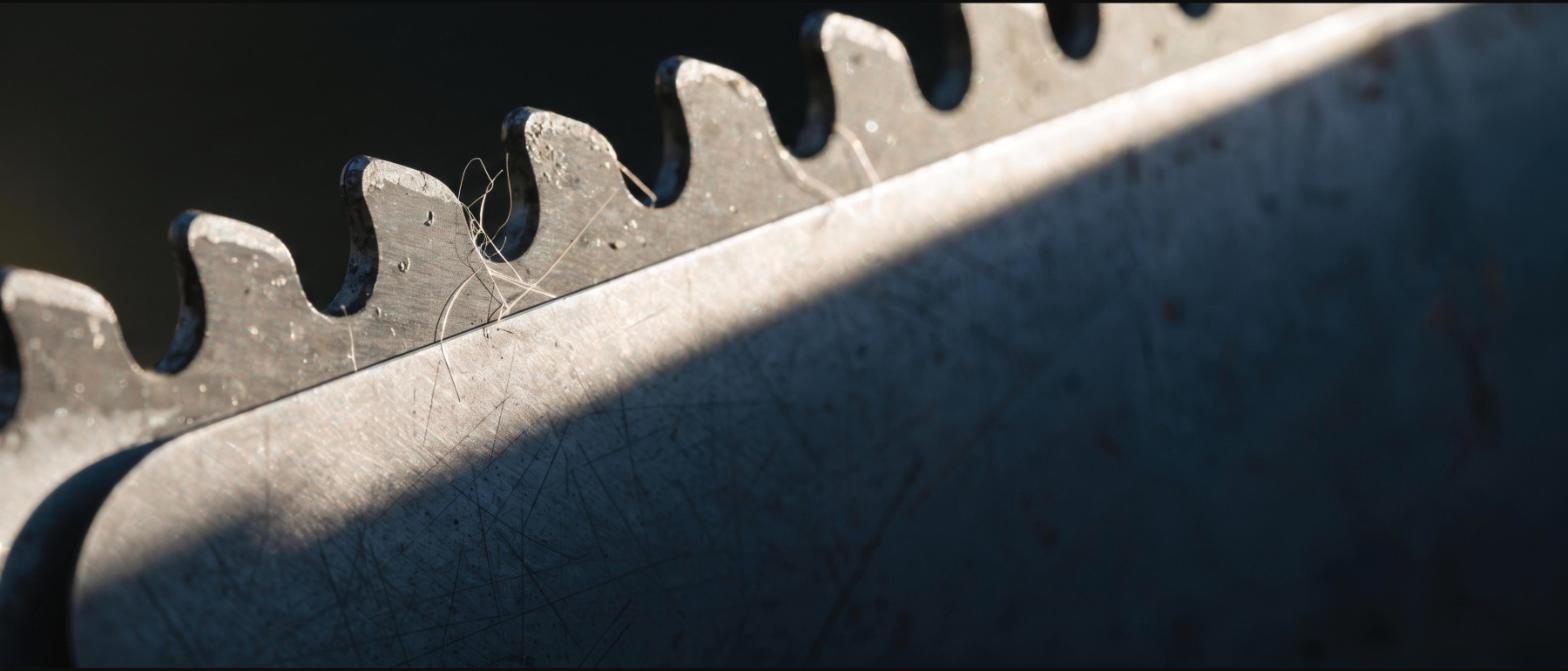
Bamboo deposits silica in its outer tissue — the hard, glassy skin that gives a culm its polish. Reported silica content varies widely by species and by where in the plant you measure, but the practical upshot is consistent: you are cutting a fibre composite with an abrasive outer layer, not a stick.
Abrasion dulls differently from impact. A blade does not chip; it rounds over. That is why the saw feels fine for the first few cuts and progressively worse after, and why people conclude the bamboo “got harder” further up the clump.
Why the Cut Tears Instead of Severing
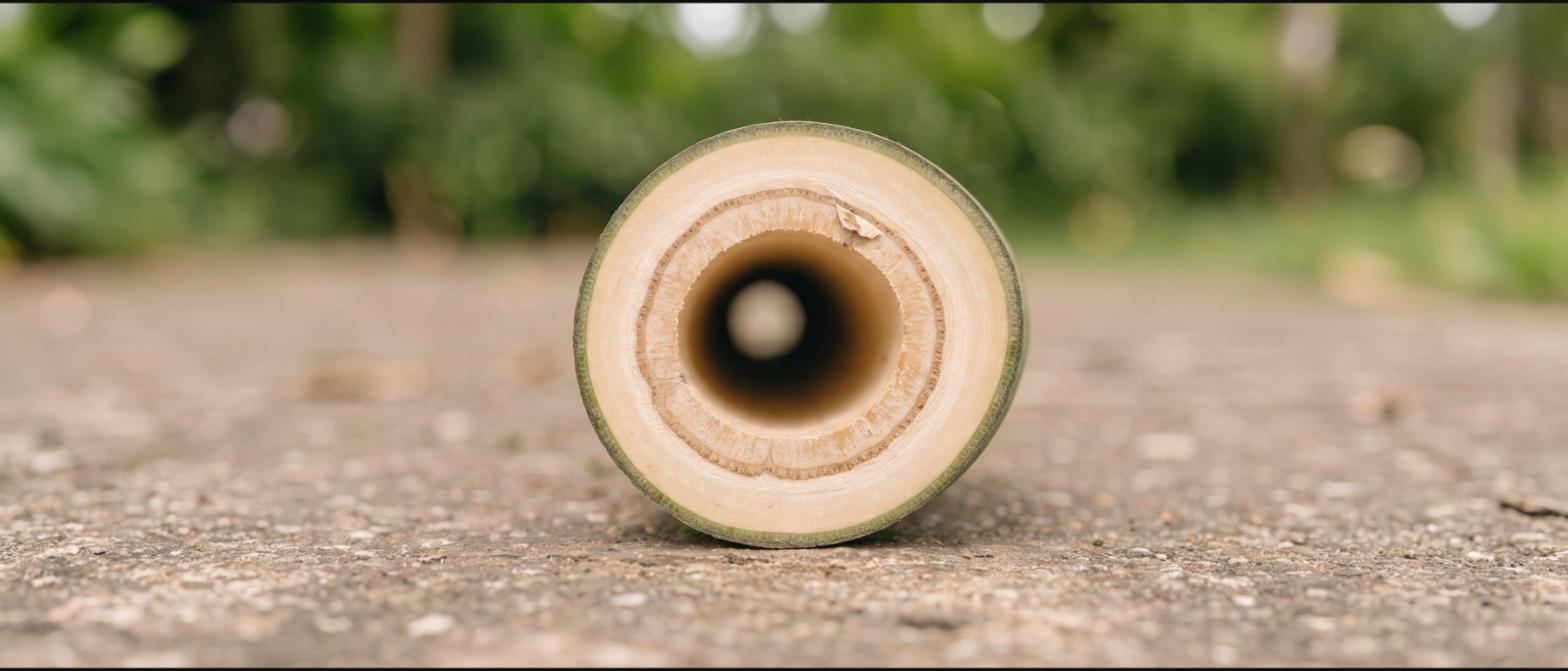
Two structural facts drive this. Bamboo’s strength runs almost entirely along the fibre — it is extremely strong in tension lengthwise and weak across the grain. And the culm is a hollow tube with solid diaphragms only at the nodes.
So a bypass lopper, which severs by shearing two blades past each other, tends to crush the tube flat before it cuts, and the wall then splits along its length. An anvil pruner is worse: it is designed to squash material against a flat plate, which is precisely the failure mode you are trying to avoid.
What works is a fine-toothed pull saw that cuts on the pull stroke — the blade stays in tension, the kerf is narrow, and the hollow tube is not loaded sideways. Cut just above a node, where the diaphragm supports the wall and stops the split. A good overview of what holds up over a season is worth reading before buying; most comparisons of the best tool for cutting bamboo end up at the same place, which is a sharp pull saw for culms and loppers only for thin new growth.

Watch: Our Favorite Bamboo Clearing Tools (YouTube)
Two Things That Are Not Optional
Eye protection. A culm under tension releases suddenly, and a split bamboo edge is sharp enough to matter.
And cut stubs flush to the ground, not at ankle height. A cut culm leaves a rigid, often sharply angled spike — one of the genuinely hazardous things in a yard, and the reason bamboo removal injuries tend to be puncture wounds rather than cuts.
Buy one good saw and keep it for bamboo only. Mixing it with dirty wood work will finish the edge faster than the bamboo does.